
.png)
Updated in March 2026
The Municipal Act, 2001 recognizes many instances in which a taxpayer may apply to a municipality for a refund of taxes paid. There is identical legislation in the City of Toronto Act.
Subsection 357(1) of the Municipal Act allows a municipality to cancel, reduce, or refund taxes under eight separate grounds.
Example: Property Damage or Demolition
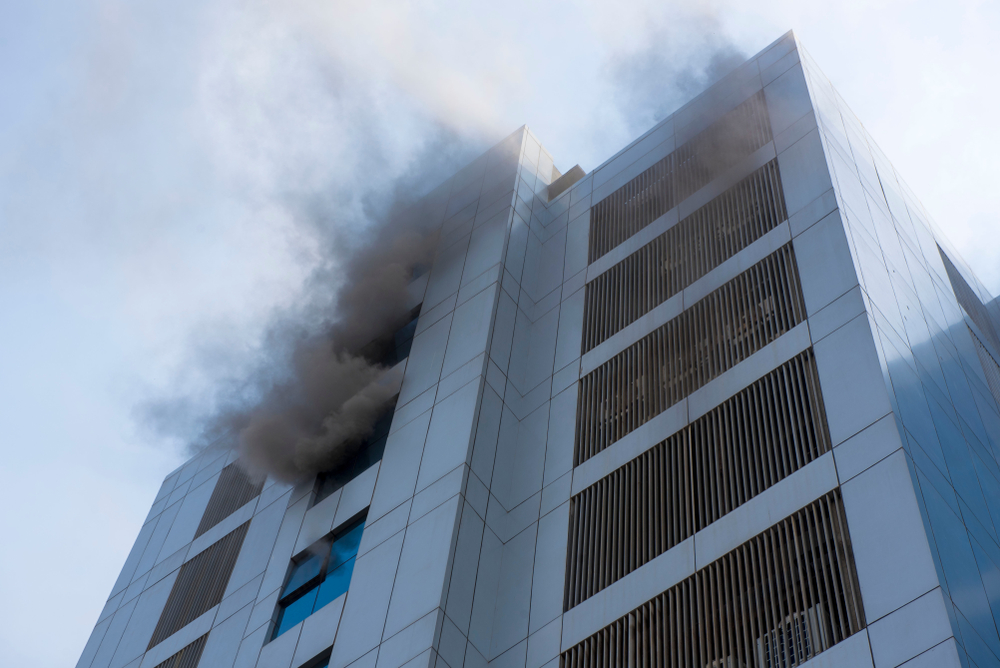
One common ground for a tax refund is found in paragraph 357(1)(d) of the Municipal Act, which applies when a building is destroyed or significantly damaged.
The legislation states:
357 (1) Upon application to the treasurer of a local municipality made in accordance with this section, the local municipality may cancel, reduce or refund all or part of taxes levied on land in the year in respect of which the application is made if,
…
(d) during the year or during the preceding year after the return of the assessment roll, a building on the land,
(i) was razed by fire, demolition or otherwise, or
(ii) was damaged by fire, demolition or otherwise so as to render it substantially unusable for the purposes for which it was used immediately prior to the damage
The use of the word “may” in subsection 357(1) permits a municipality to cancel, reduce or refund taxes, as long as the requirements set out in the Municipal Act are met.
Deadline to File a Section 357 Tax Refund Application
One important requirement is filing the application before the statutory deadline.
A section 357 application must be filed with a municipality on or before the last day of February of the year following the year in respect of which the application is made.
For example:
- If a building was destroyed by fire in February 2026,
- the refund application must be submitted by February 28, 2027.
When Municipal Council Must Make a Decision
Municipal council shall hold a meeting and make a decision on a refund application by September 30 of the year following the year in respect of which the application is made.
In our example above, this means:
-
Damage occurs in 2026
-
Application filed by February 2027
-
Council decision due by September 30, 2027
Appealing a Section 357 Decision to the Assessment Review Board
If an applicant is unsatisfied with municipal council’s decision on the refund application, then an appeal may be made to the Assessment Review Board (the “Board”).
A notice of appeal must be filed with the Board within 35 days after municipal council makes its decision.
What happens if council fails to make a decision by September 30?
An applicant may appeal directly to the Board for a decision but a notice of appeal must be filed by October 21 of the year following the year in respect of which the application is made.
In our example, if municipal council failed to render its decision by September 30, 2027, then a notice of appeal would have to be filed by October 21, 2027.
Are Section 357 Decisions Final?
Unlike appeals to the Board under section 40 of the Assessment Act or under section 364 of the Municipal Act, there is no leave to appeal process to Divisional Court. Decisions of the Board are final on appeals under section 357.
Understanding Your Eligibility for a Property Tax Refund
Property owners (Applicants) must be aware of the steps involved in a section 357 application and those steps should be taken ahead of the statutory deadlines.
Questions often arise about:
- Does the word “may” in section 357 allow for a municipality to refuse a refund application even if the requirements of section 357 are met?
- How is a section 357 refund calculated?
- What do the terms “demolition”, “damaged” and “substantially unusable” in paragraph 357(1)(d) mean?
NextGenLaw will cover these and other section 357 issues in future blog posts.
Contact NextGenLaw LLP if you think you may be entitled to a refund.